
AI agents are becoming more capable every day, but most of them still struggle with one major problem - accessing and reasoning across real-world data.
An agent might know how to write code, summarize incidents, answer questions, or automate workflows, but the moment it needs context from multiple systems, things start getting complicated. APIs become noisy, tool calls multiply, pagination slows everything down, and cross-source reasoning becomes difficult.
Why Existing Agent Workflows Break?
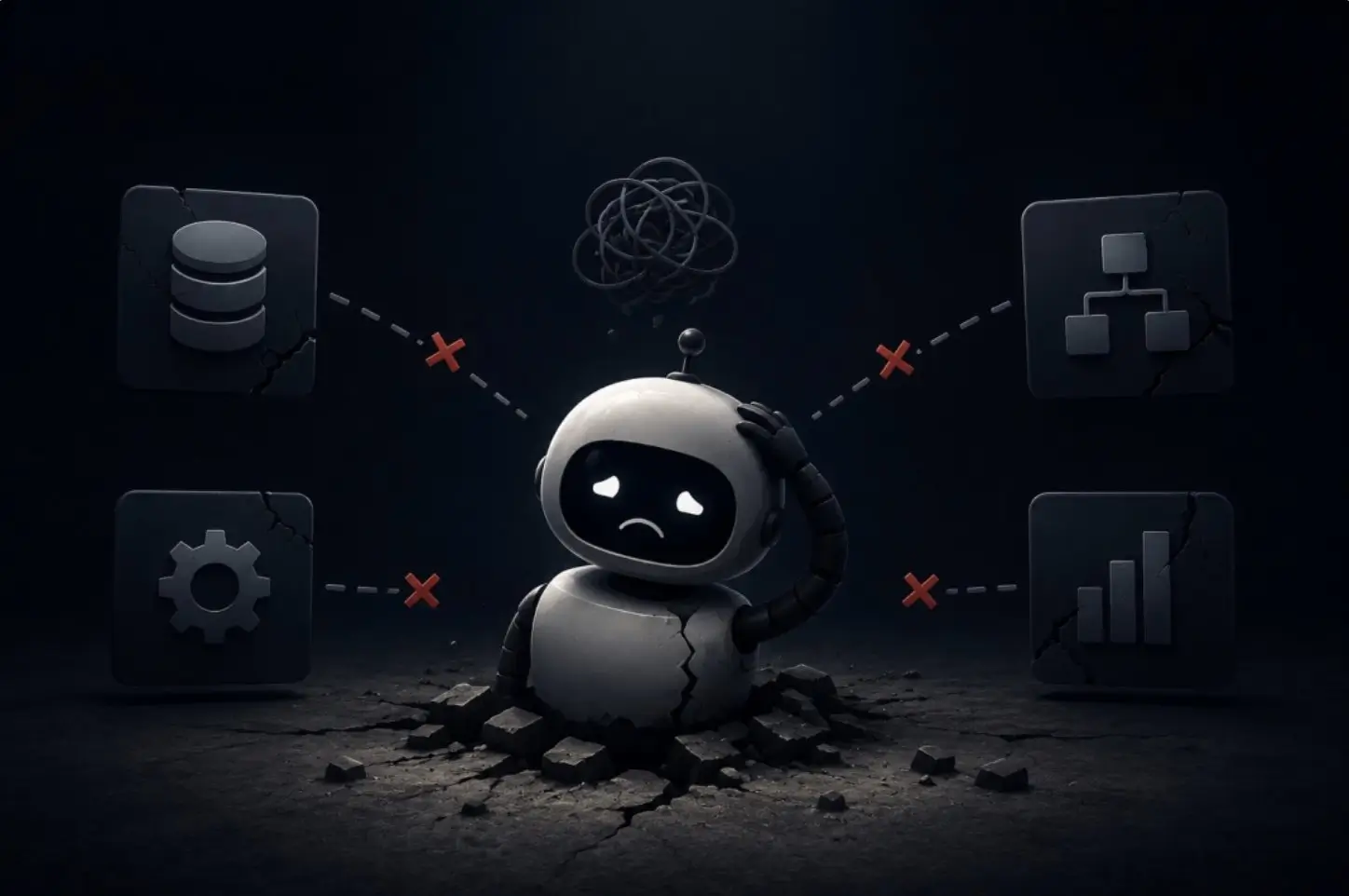
Most AI agents today interact with company systems one integration at a time. To answer even a simple question, an agent may need to query GitHub, Slack, Datadog, and other tools separately, then parse responses, combine results manually, retry failed requests, and reformat outputs before reasoning over them.
This creates major challenges for modern AI workflows, too many tool calls, high token usage from large API responses, weak cross-source reasoning, weak orchestration logic, and unreliable workflows where one failed integration can break the entire chain.
Feed Correct Data To AI Using Coral

Coral is an open-source data retrieval layer for AI agents.
Agents typically interact with systems like GitHub, Slack, Datadog, Linear, and local files separately through APIs, MCP servers, CLI tools, or custom integrations. Coral gives agents a unified SQL interface across these data sources, allowing them to query everything as if it were a single database.
For example, instead of writing multiple API calls and manually stitching responses together, an agent can simply run a SQL query like:
SELECT github.issues.title,
       linear.attachments.url
FROM github.issues
JOIN linear.attachments
ON github.issues.id = linear.attachments.issue_id
How Coral Works?
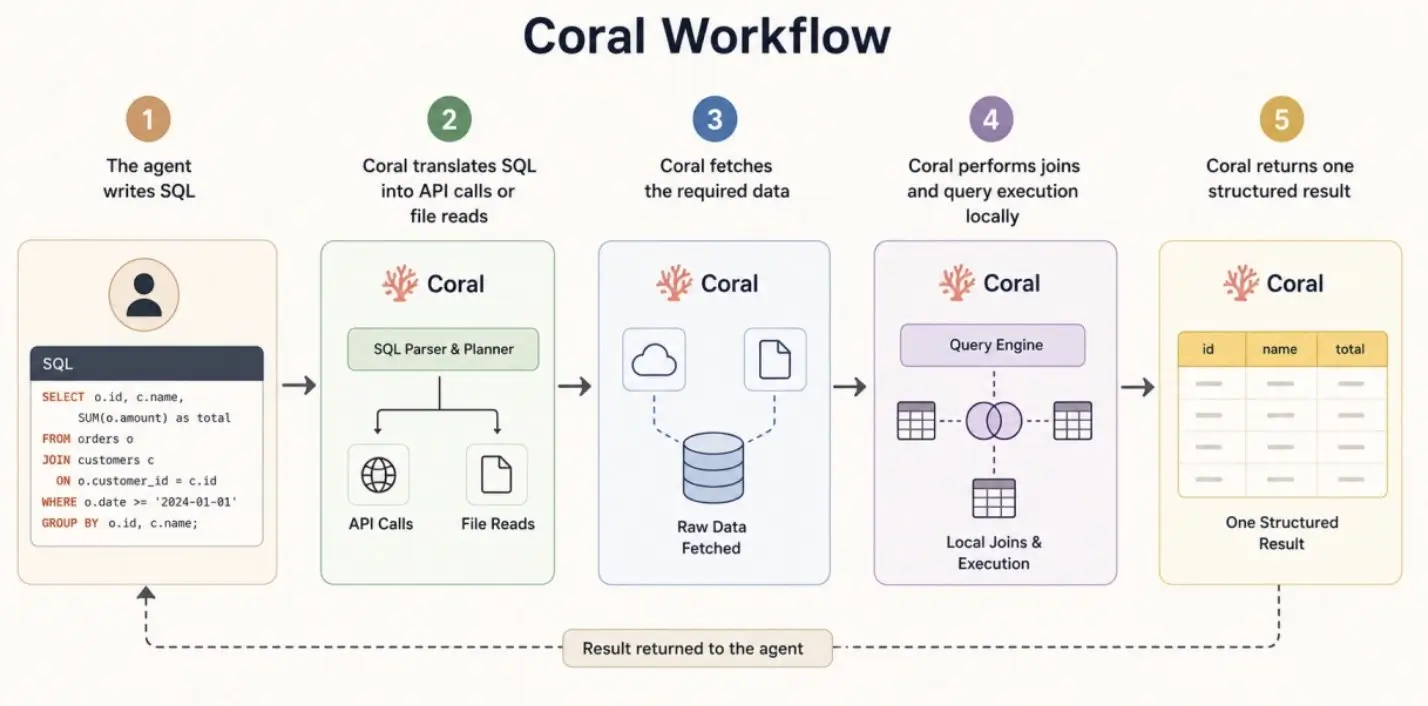
Coral sits between AI agents and data sources, acting as a unified query layer for retrieval. Coral allows agent to query everything through SQL. The agent simply writes a SQL query, Coral translates it into API calls or file reads, fetches the required data, performs joins and query execution locally, and returns a single structured result.
This changes the role of the agent entirely. Instead of spending tokens and reasoning power figuring out how to retrieve information across fragmented systems, the agent can focus directly on reasoning, analysis, and decision-making while Coral handles retrieval underneath.
How Coral Powers Modern AI Agents
The biggest limitation of many current AI systems is not reasoning but retrieval. Even advanced models fail when they cannot access the right context efficiently.
Instead of dumping massive amounts of raw data into an LLM context window, Coral enables agents to retrieve only the precise rows and columns they need. This leads to lower token consumption and more reliable workflows because agents operate on structured and deterministic query results.
See How It Performs
Coral benchmarked its system against direct provider MCP integrations across real-world AI tasks.
The results were significant.
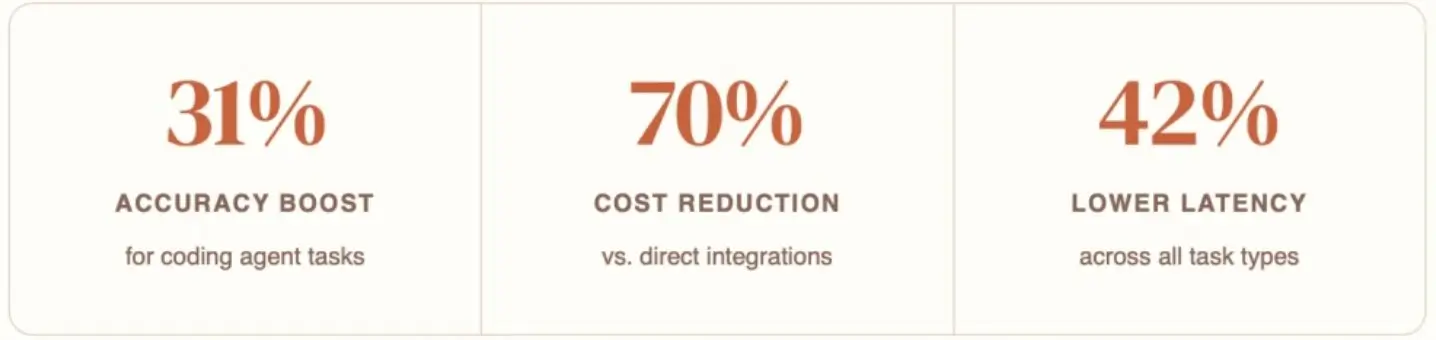
Coral improved Claude’s accuracy by 31% on complex retrieval and coding-agent tasks while reducing LLM costs by 70% compared to direct data integrations. Across all evaluated tasks, Coral also reduced latency by 42% compared to direct provider MCP workflows.
Get Started in Seconds
Coral is open source and self-hosted. You can install it locally and start querying immediately.
-
Install Coral:
brew install withcoral/tap/coral -
Add a Source:
coral source add --interactive github -
Query Data:
coral sql "SELECT name, stargazers_count FROM github.org repos
WHERE org = 'withcoral' ORDER BY stargazers_count DESC"
One-Week Hackathon Challenge: Fix AI Data Pipelines
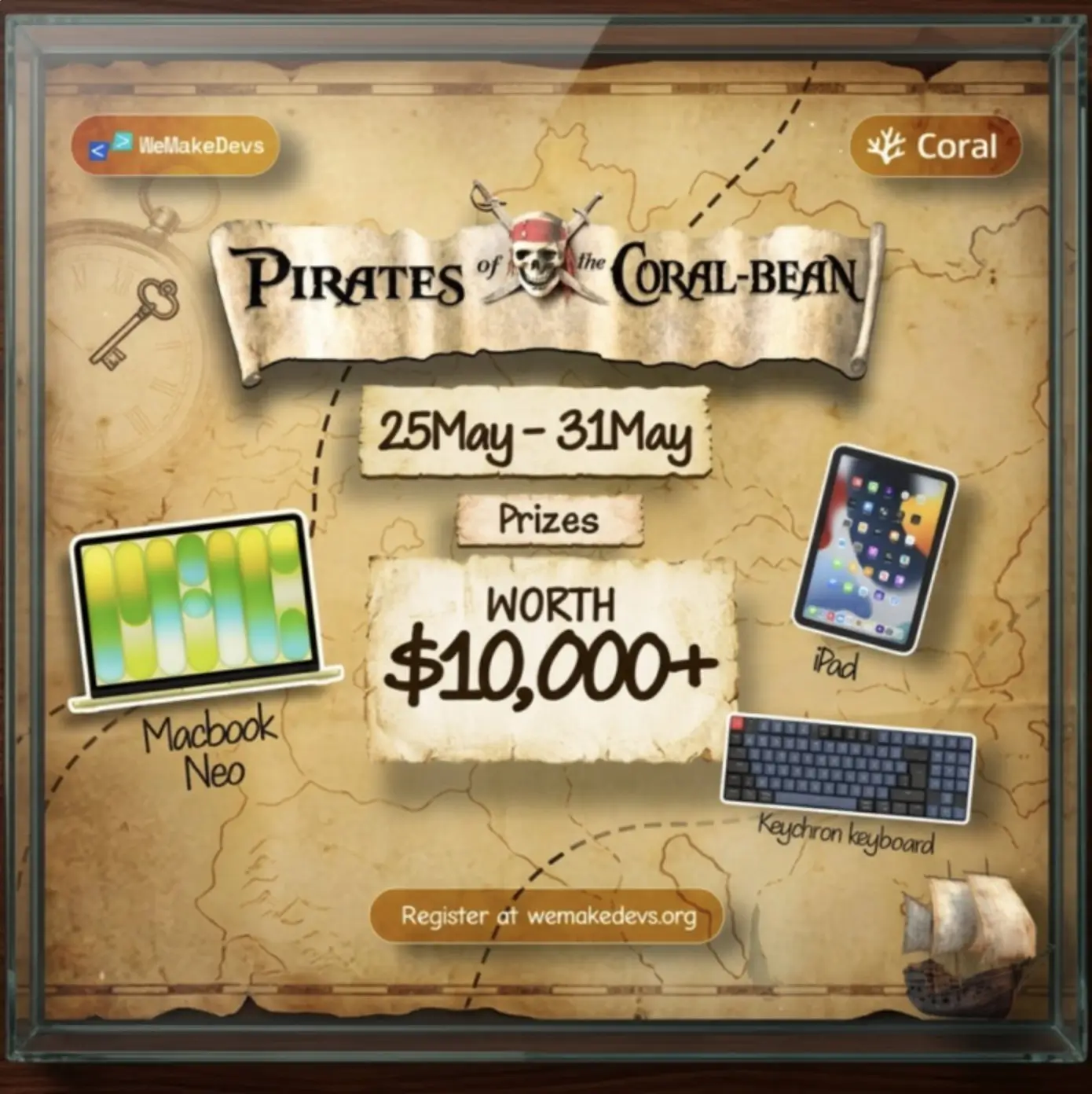
The Pirates of the Coral-Bean Hackathon is a hackathon focused on building AI-powered systems using Coral.
Participants will build agents that can query APIs, databases, files, and observability platforms using SQL through a single retrieval layer. Instead of spending time writing glue code and managing multiple integrations, developers can focus on building smarter AI workflows that reason across multiple systems more efficiently.
Whether it is debugging agents, observability workflows, coding copilots, enterprise assistants, or personal productivity tools, the hackathon is designed to help builders explore what becomes possible when AI agents get reliable access to real-world data.
Treasure Pool
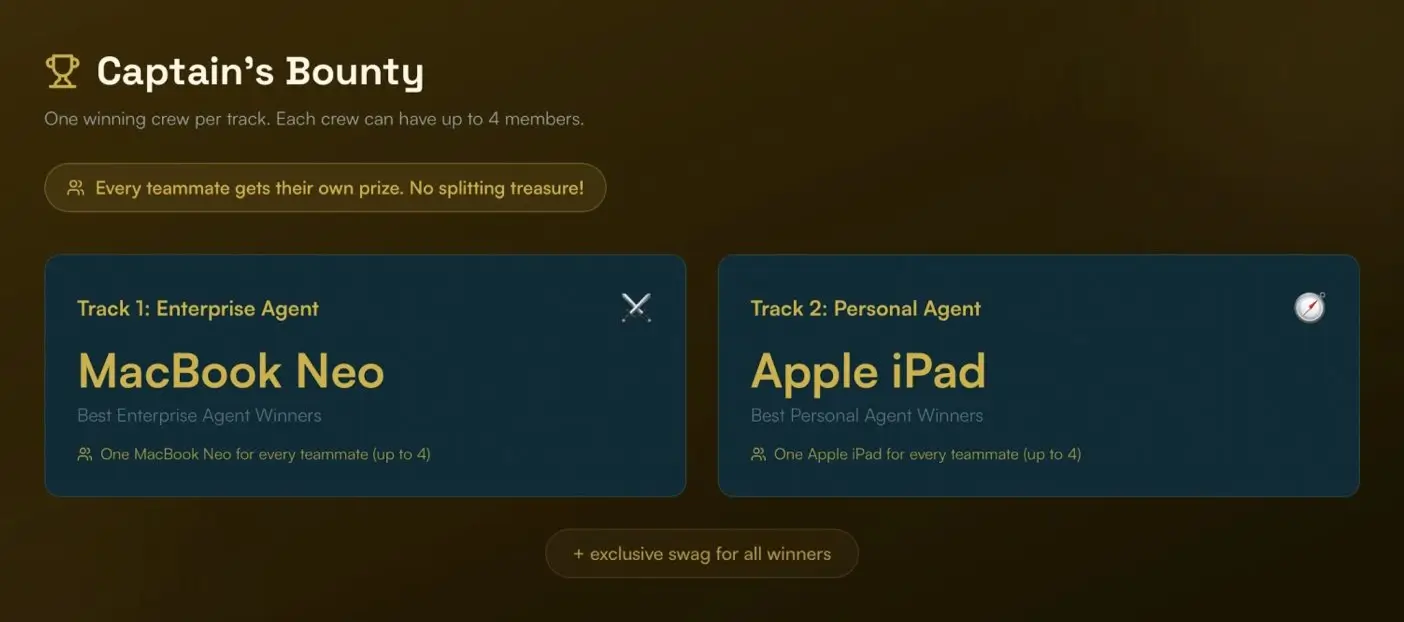
Hackathon includes more than $10,000 in prizes and bounties.
-
Every team member of top enterprise agent team wins a Apple MacBook Neo.
-
Every team member of top personal agent team wins a Apple iPad.

-
AI Survey Giveaway: Participants who fill out the survey and star the Coral Repository will also be eligible to win Nike Air Jordans, Logitech MX Master 3, and Keychron keyboard.
-
Early Bird Giveaway: Register by May 24th for the Hackathon for a chance to win Amazon Gift Card worth $50/₹5000 for your entire team. Solo participants are also eligible for the giveaway.
Special Bounties
-
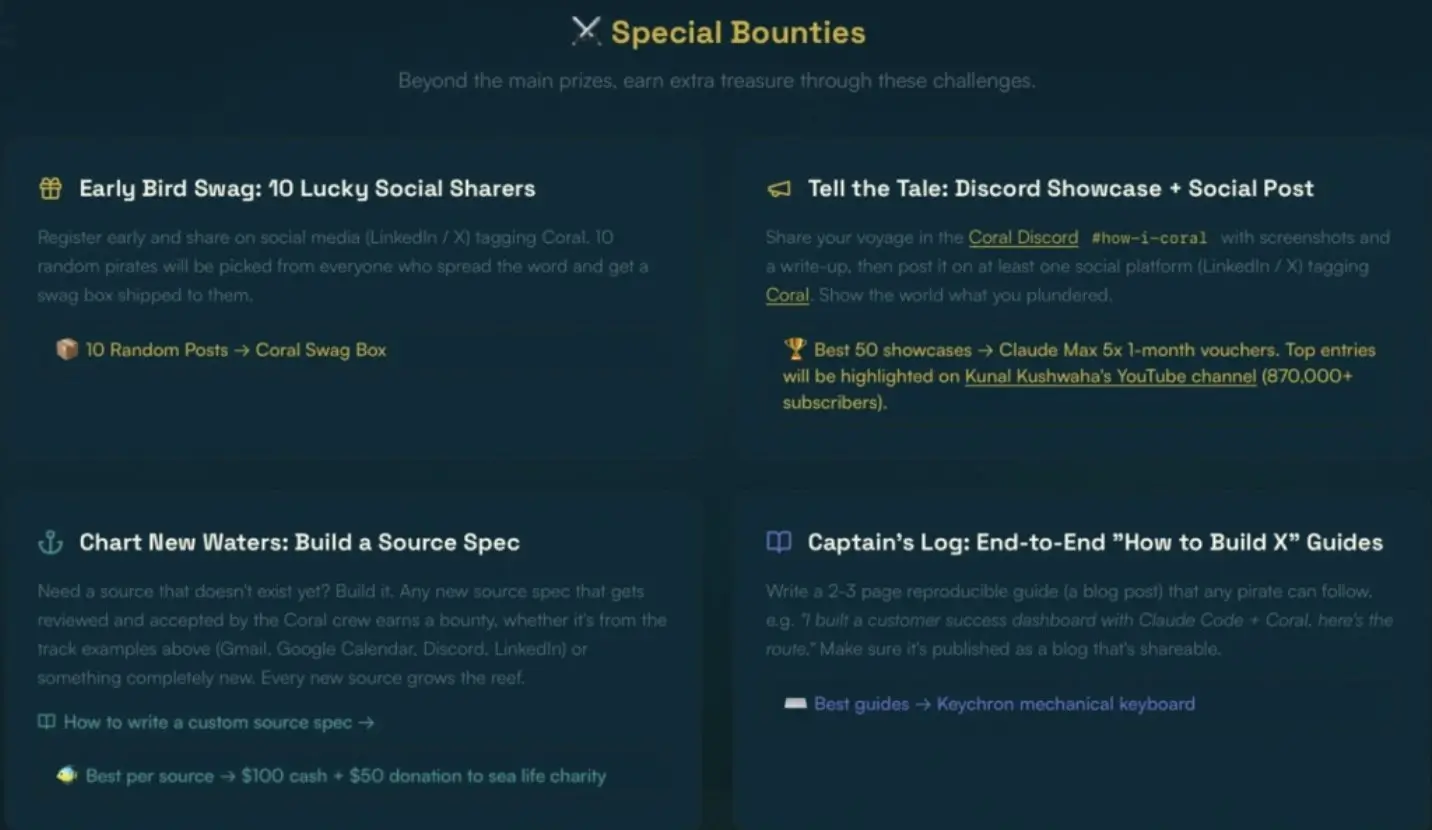
Claude Max Vouchers For 50 Best Showcases (Worth $5000): Share your project journey in the Coral Discord and on social media for a chance to win 1-month Claude Max vouchers and get featured on Kunal Kushwaha’s YouTube channel (870K+ subscribers).
-
Build New Source Integrations (Worth $100): Create custom integrations for unsupported platforms and win rewards if your source gets accepted by the Coral team.
-
Technical Guides (Worth $100): Publish step-by-step blogs explaining your Coral projects for a chance to win Keychron mechanical keyboards.
-
Early Bird Swag: Register early and share the hackathon on LinkedIn or X tagging Coral for a chance to win exclusive swag boxes.
Connect With Us
If you're a company building tools, platforms, or services for developers and want to reach a large and active developer community, we’d love to collaborate.
Visit our website or send us an email on contact@wemakedevs.org
Follow us and join our newsletter or technical groups for global events, resources and amazing opportunities: https://www.wemakedevs.org


