
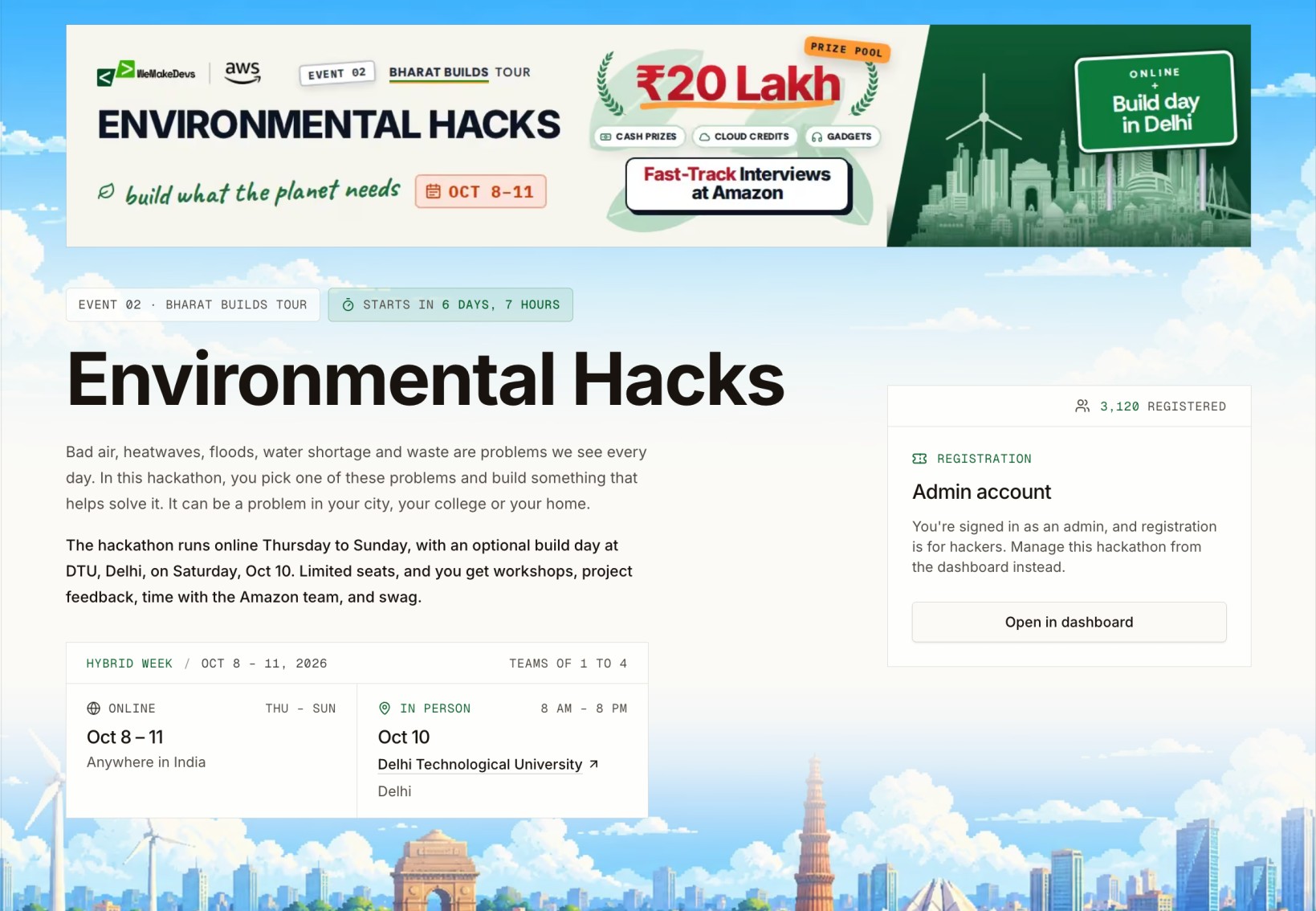
Environmental Hacks runs online across India from 8 to 11 October. On the Saturday in the middle of it, we are putting a room full of builders and AWS mentors in one place in Delhi for twelve hours.
That day is at Delhi Technological University and it runs from 8 in the morning until 8 at night. Seats are limited and you have to apply for one separately.
What to Expect?
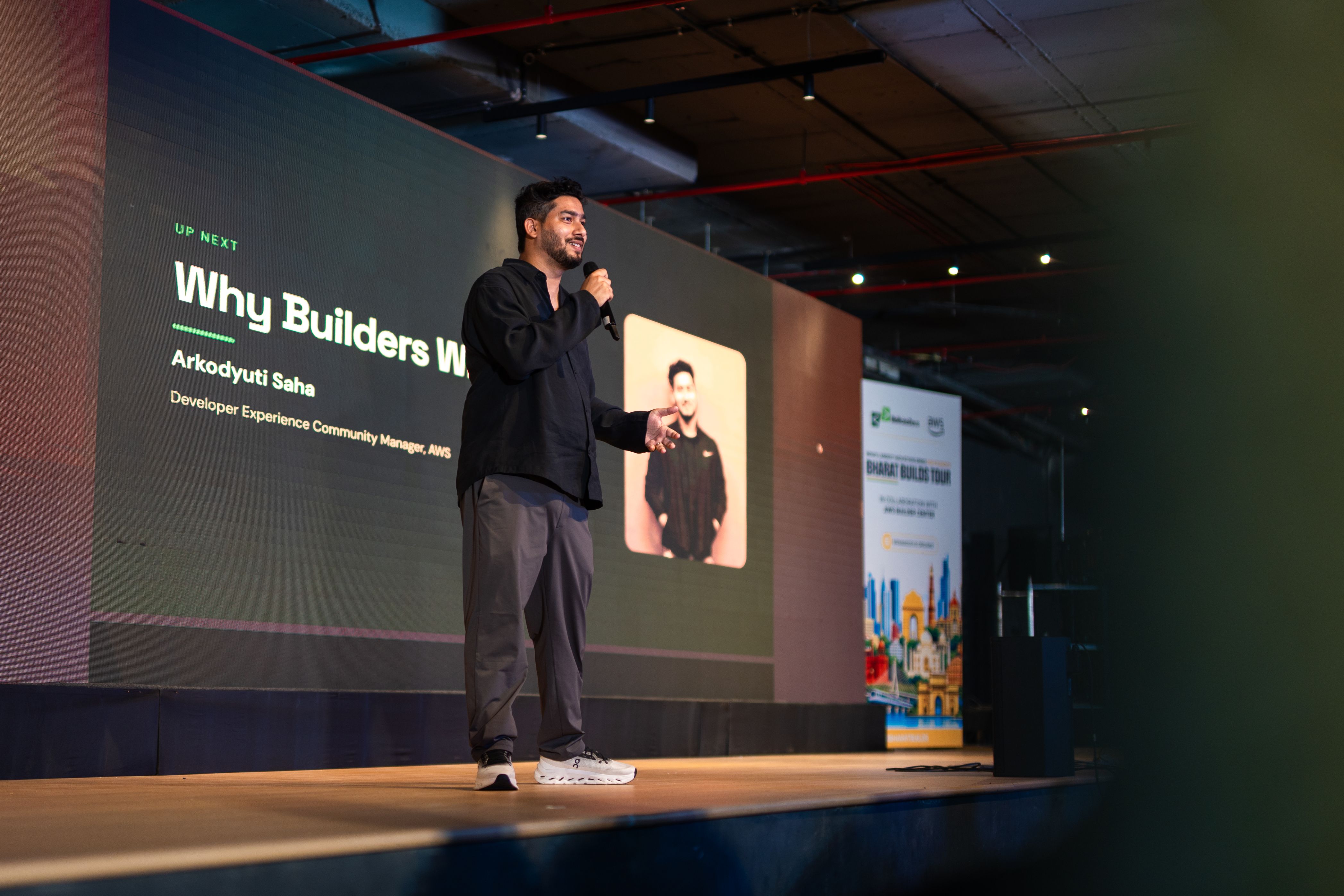
Twelve hours in one room with roughly a thousand other builders, and five things you cannot get from a call.
- AWS mentors on the floor all day, there specifically to get you unstuck
- Hands-on workshops run by AWS engineers, so you are learning from the people who build this from scratch
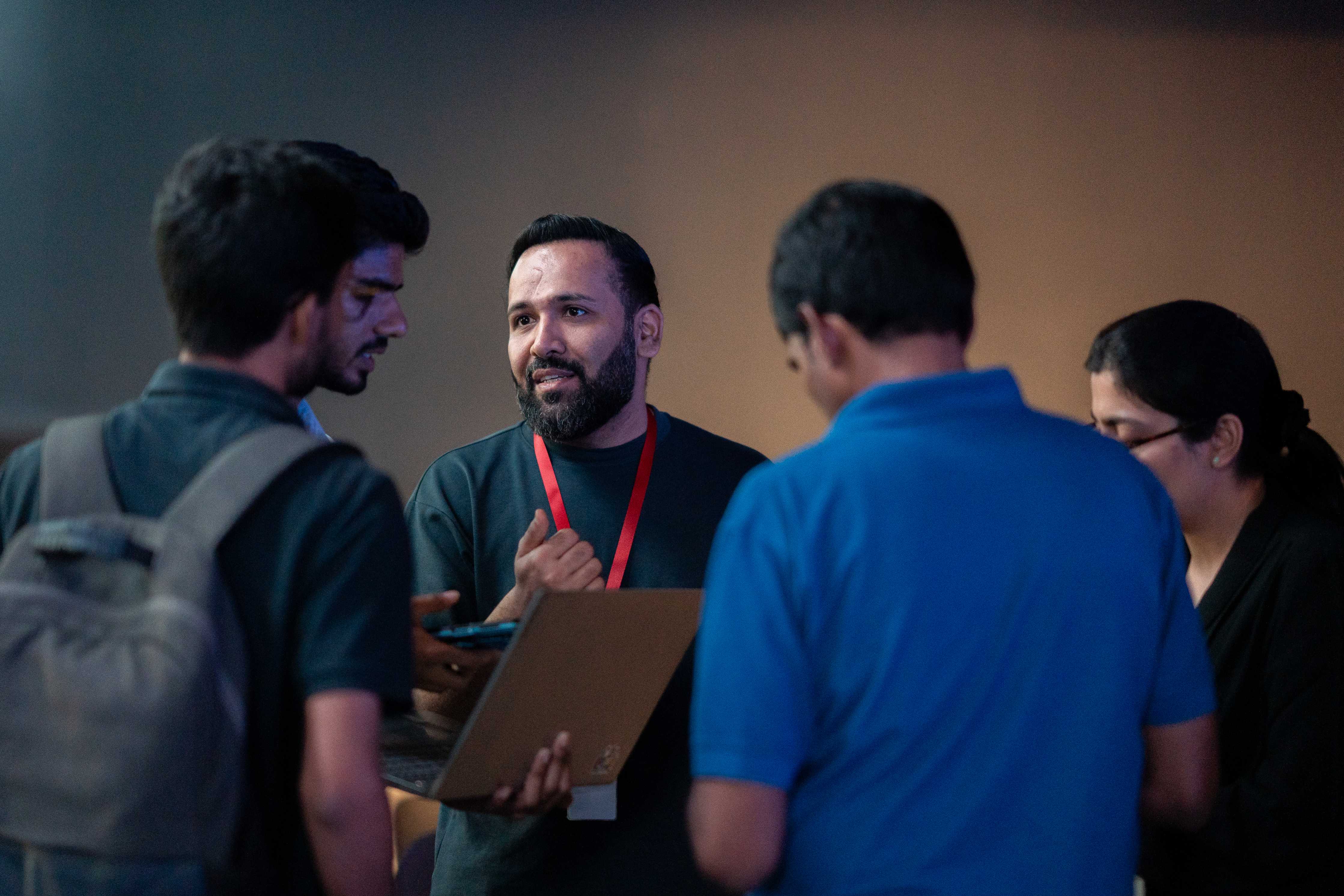
- Insighful feedback on your project from the AWS team, before you submit rather than after
- The Amazon media team interviewing the strongest projects, with a shot at being featured on Amazon's own social channels
- Exclusive Bharat Builds swag you cannot get any other way, and food through the day
The third one is worth planning around. Getting an experienced engineer to look at your project and tell you what is weak about it, while there is still a day left to fix it, is worth more than anything else on that list.
The Complete Schedule
| TIME | WHAT |
|---|---|
| 8:00 to 9:30 AM | Check-in, breakfast and networking |
| 9:30 to 9:45 | Opening remarks by Kunal Kushwaha on how the day will run |
| 9:45 to 10:00 | Welcome from the AWS team |
| 10:00 to 11:00 | Panel with Kunal Kushwaha, Saiyam Pathak and Piyush Garg |
| 11:00 to 12:30 | Strands Agents hands-on workshop: build your first agent |
| 12:30 to 2:00 | Build time, with mentors around if you get stuck |
| 2:00 to 3:00 | Lunch |
| 3:00 to 7:00 | Build time |
| 7:00 to 8:00 | Showcase: demo what you built, get feedback and win exclusive swag boxes |
| 8:00 PM | Wrap up |
Online submissions stay open until Sunday 11 October, 8:00 PM IST, so the room closing is not your deadline.
The Guest Speakers
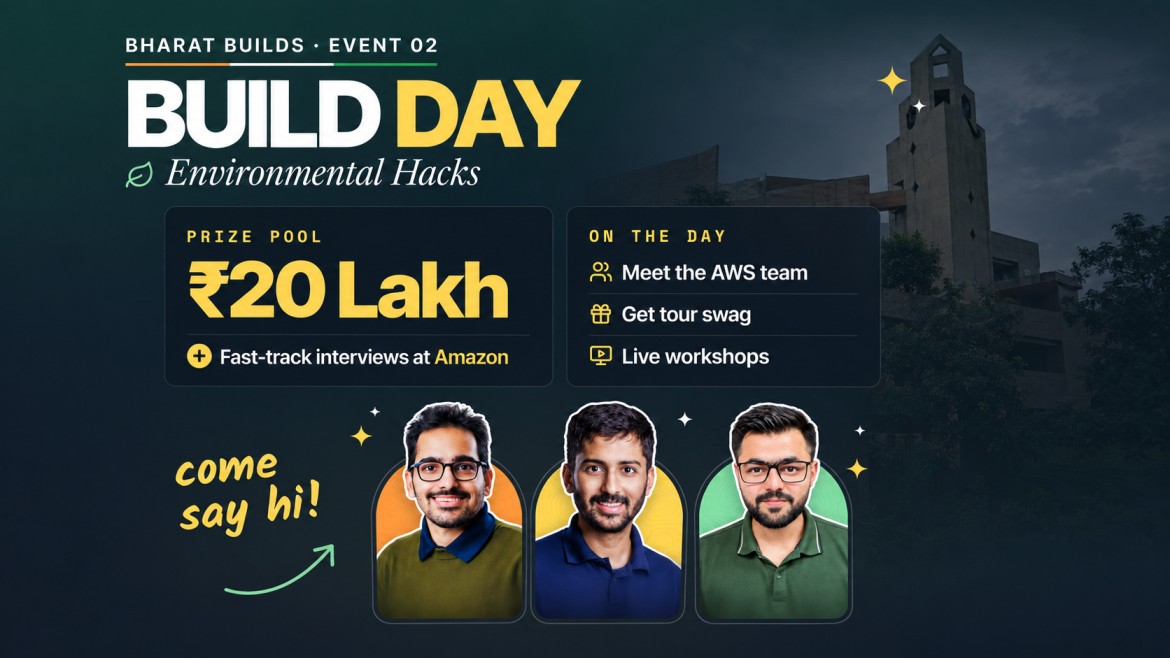
Three founders are on the panel at 10, and the AWS team is in the room all day.
Kunal Kushwaha started WeMakeDevs, Saiyam Pathak runs Kubesimplify, and Piyush Garg built Teachyst. Look up what each of them works on before Saturday, because that is what turns a handshake into a conversation.
Most people read a lineup like that as something to sit and listen to. The students who get the most out of a day like this read it as access instead. Three founders and a room full of AWS engineers, on a Saturday, for free, is an unusual amount of access for anyone to have, and the difference between the people who use it and the people who do not comes down to whether they walked in with a question ready.
Why You Should Come Offline on Saturday
Look at where the 10th sits. The hackathon starts on Thursday and submissions close at 8 PM on Sunday. The build day is day three of four.
If you walk in on Saturday morning with no idea and no team, you have spent half your hackathon and you are starting from zero in a room where other people are debugging. You will have a good day. You will not have a good project.
If you walk in with something that already runs, even badly, Saturday becomes the most valuable day of your weekend. Every mentor conversation starts at your real problem instead of at your idea. The AWS engineers can tell you what is weak while there is still a Sunday left to fix it. The evening showcase gives you feedback on a working thing rather than on a plan.
Travel and stay are at your own cost, so factor that in if you are coming from outside Delhi.
How to Plan Your Day
- Check-in and breakfast, 8:00 to 9:30: This is the only ninety minutes in the whole weekend built purely for finding people. If you are solo, say which track you picked and what you are stuck on.
- The panel, 10:00 to 11:00: An hour with three people who have built and judged a lot of projects. This is where you find out how they actually size one up, which matters on Sunday when you are deciding what to polish and what to cut.
- The workshop, 11:00 to 12:30: Ninety minutes, hands on, building your first agent with Strands Agents. Strands is AWS's open source agent SDK, and the useful part is that it treats the model as a swappable provider, so the same code runs against something local or against Amazon Bedrock. If you want a head start, this walkthrough uses Strands in a real project and shows how to keep a model inside strict limits.
- Build time, 12:30 to 2:00 and 3:00 to 7:00: Five and a half hours with AWS mentors in the room. This is the scarcest resource of the entire weekend, and the most common way to waste it is on setup. Do your installs, your account and your credentials on Friday night. Protect Saturday for the part you cannot solve alone.
- The showcase, 7:00 to 8:00: Treat this as a rehearsal rather than a prize round. You have a three minute demo video to submit the next day, and this is a free run at it in front of an audience that will tell you which thirty seconds are confusing. Very few teams realise they are getting a dress rehearsal and a feedback session at the same time.
What to Bring
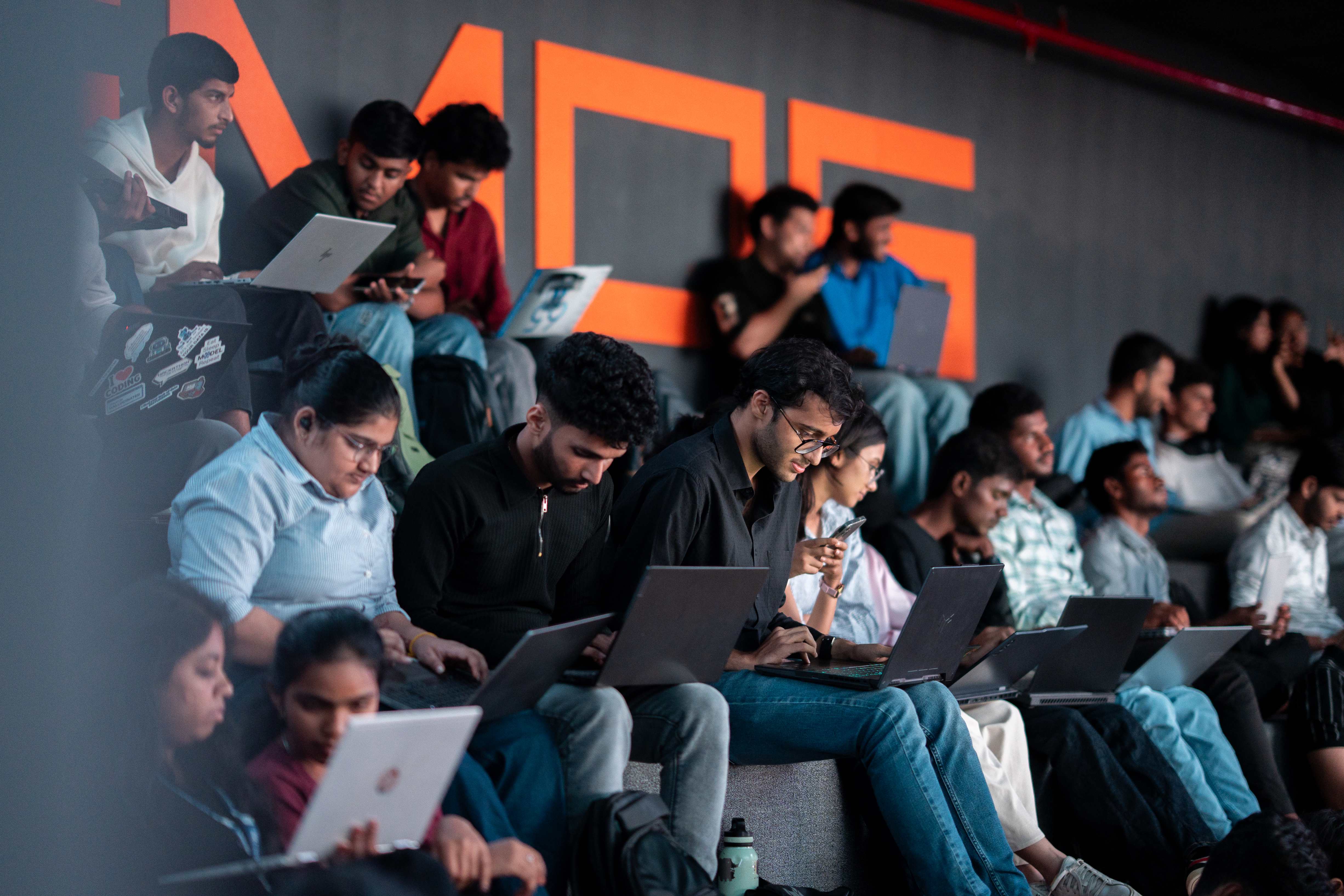
A laptop and its charger, your AWS Builder Center login, already working, with student verification already done. Verification can take a day or two if they ask for documents, and doing it at 9 in the morning on the 10th is a bad use of the one day you have mentors in front of you.
Your project already cloned and running on your machine. Whatever you need to install, install it on Friday.
One specific question you want answered. The mentors are generous with their time, and the students who get the most out of them arrive with a problem rather than a topic.
Register for the hackathon at wemakedevs.org/aws/env first, then apply for a seat at luma.com/env using the same email address, because that is how the two are matched. Seats are limited and every application is reviewed, so do both early in the week rather than on the 9th.
Environmental Hacks is the second stop of the Bharat Builds Tour, a six-city hybrid hackathon series run by WeMakeDevs in collaboration with AWS. Registration is free and open to university students across India.


